The Church and the Age of Reformations (1350–1650)
In 1517, Augustinian monk Martin Luther wrote the infamous Ninety-Five Theses that eventually led to a split from the Catholic Church. The movement became popularly identified as the Protestant Reformation, but Church reform actually began well before the schism.
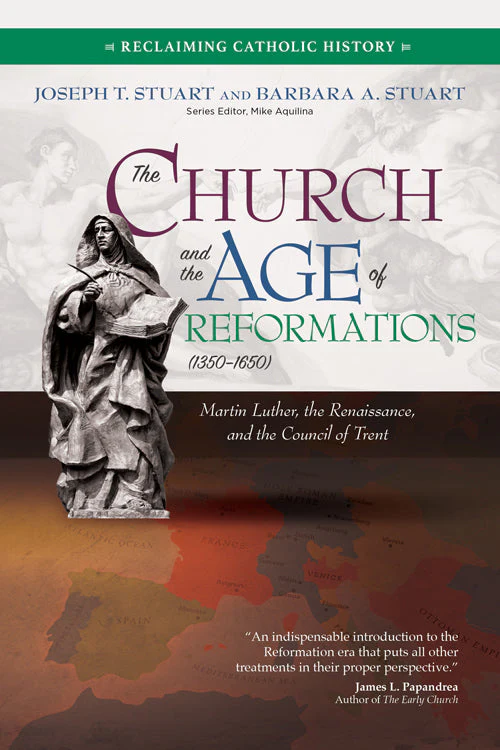
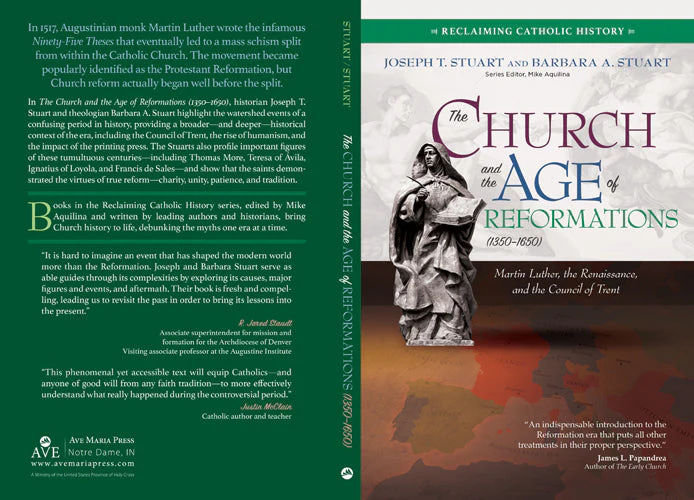
In The Church and the Age of Reformations (1350–1650), historian Joseph T. Stuart and theologian Barbara A. Stuart highlight the watershed events of a confusing period in history, providing a broader—and deeper—historical context of the era, including the Council of Trent, the rise of humanism, and the impact of the printing press. The Stuarts also profile important figures of these tumultuous centuries—including Thomas More, Teresa of Ávila, Ignatius of Loyola, and Francis de Sales—and show that the saints demonstrated the virtues of true reform—charity, unity, patience, and tradition.
You will learn:
- Reform efforts in the Catholic Church were underway before Luther’s Ninety-Five Theses.
- The Church did not sell the forgiveness of sins with indulgences.
- Millions of people did not die in the Spanish Inquisition; there were less than 5,000 deaths during a 350-year period. Inquisitions led to legal advances such as grand juries, the need for multiple witnesses, and defendant protections that are still in place today.
- The so-called Catholic Reformation was conducted in four stages and exhibited respect for Church authority, human free will, and the saints, and focused on the new universal reach of the Church around the globe due to missionary work.
A map and chronology are included.
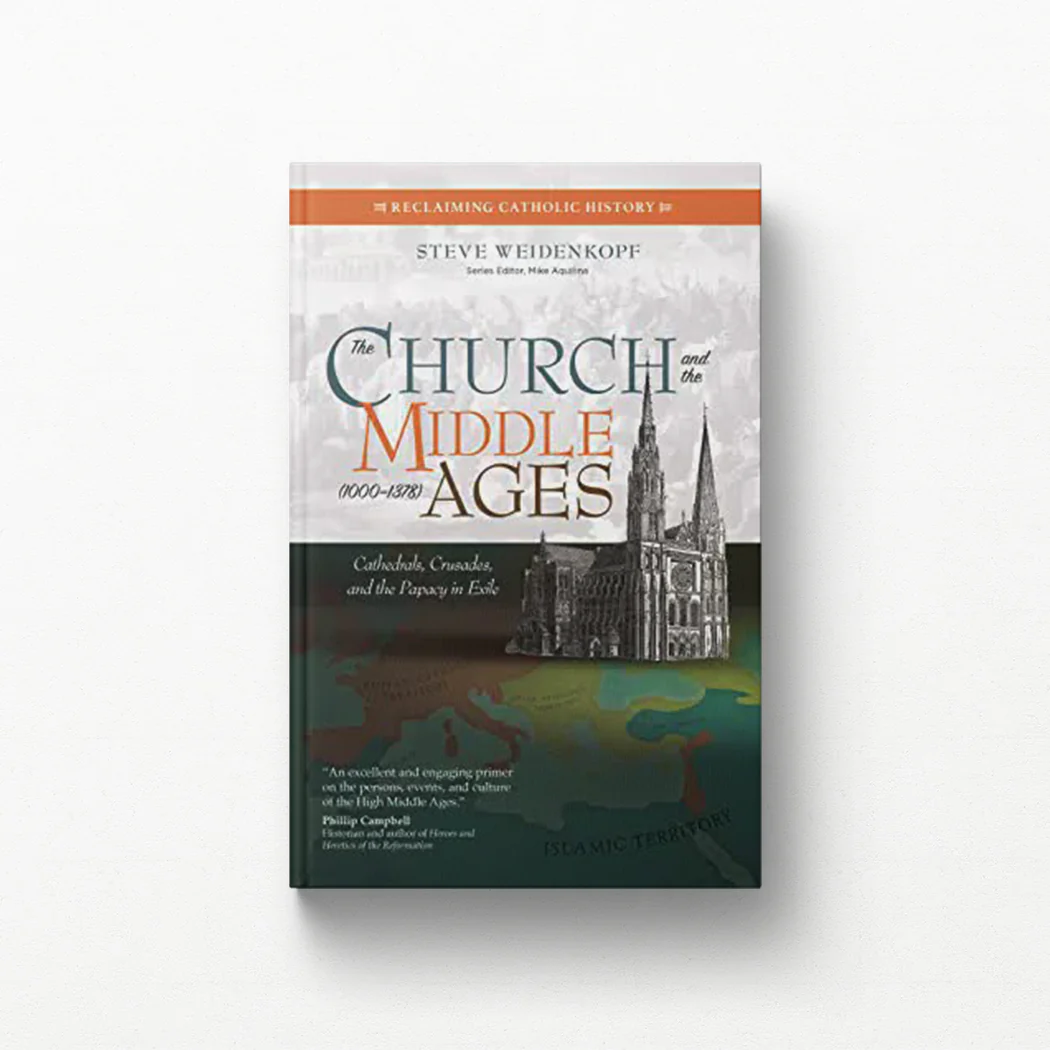
Books in the Reclaiming Catholic History series, edited by Mike Aquilina and written by leading authors and historians, bring Church history to life, debunking the myths one era at a time.
Product Information
Product Information
Shipping & Returns
Shipping & Returns
Description
In 1517, Augustinian monk Martin Luther wrote the infamous Ninety-Five Theses that eventually led to a split from the Catholic Church. The movement became popularly identified as the Protestant Reformation, but Church reform actually began well before the schism.
In The Church and the Age of Reformations (1350–1650), historian Joseph T. Stuart and theologian Barbara A. Stuart highlight the watershed events of a confusing period in history, providing a broader—and deeper—historical context of the era, including the Council of Trent, the rise of humanism, and the impact of the printing press. The Stuarts also profile important figures of these tumultuous centuries—including Thomas More, Teresa of Ávila, Ignatius of Loyola, and Francis de Sales—and show that the saints demonstrated the virtues of true reform—charity, unity, patience, and tradition.
You will learn:
- Reform efforts in the Catholic Church were underway before Luther’s Ninety-Five Theses.
- The Church did not sell the forgiveness of sins with indulgences.
- Millions of people did not die in the Spanish Inquisition; there were less than 5,000 deaths during a 350-year period. Inquisitions led to legal advances such as grand juries, the need for multiple witnesses, and defendant protections that are still in place today.
- The so-called Catholic Reformation was conducted in four stages and exhibited respect for Church authority, human free will, and the saints, and focused on the new universal reach of the Church around the globe due to missionary work.
A map and chronology are included.
Books in the Reclaiming Catholic History series, edited by Mike Aquilina and written by leading authors and historians, bring Church history to life, debunking the myths one era at a time.